“Coffee Bean Processing” search results (3000)

Introduction to the structure diagram and growth process of coffee bean structure roaster
The harvested coffee berries need further treatment, usually in two ways. One is water washing, which is popular in Central America and parts of Africa; freshly harvested coffee berries separate the peel from the beans manually or mechanically, and then soak in water for 2 to 3 days. In this way, the pulp and sticky matter attached to the coffee beans will be removed. Then there is the Qing Dynasty.
2016-10-18 Coffee beans raw beans structure roaster structure diagram growth process introduction harvest
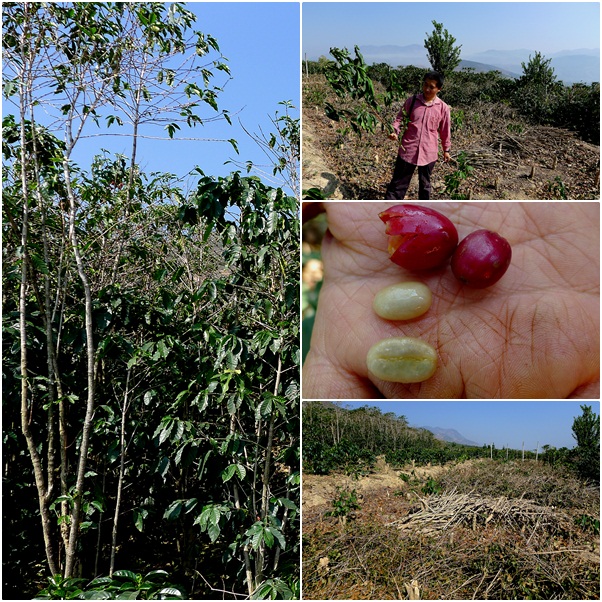
Is it Robusta or Arabica? Coffee bean variety Rwanda washing treatment bourbon variety
Coffee has more than a hundred varieties of coffee, the more common coffee are: Arabica Arabica, outstanding personality, unique flavor, is the main force of boutique coffee, mainly used for coffee shop management and high-end coffee market supply; Robusta Robusta, rough flavor, high caffeine content, not boutique coffee, often used for instant coffee processing and Italian coffee mixed beans. Ethiopia Typi
2016-04-22 Robes Booth or Rabbi Card Coffee beans varieties Rwanda washing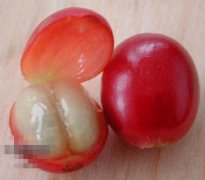
Secret Book of Coffee Bean processing
After the fruit is harvested, the outer skin, pulp, endocarp and silver skin should be removed before shipping.
2014-06-09 Coffee knowledge coffee bean processing coffee encyclopedia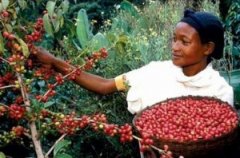
A brief introduction to the processing methods of Coffee beans
Coffee bean processing when the hard bean farmers, will be ripe bright red coffee "cherry" pick down, coffee beans magical adventure will be launched. To convert a coffee fruit into a raw coffee bean, the peel and pulp of the coffee fruit need to be removed, leaving seeds or beans, and drying. This refining process usually has two main processing methods: washing (wet method) and drying.
2014-11-19 Coffee knowledge boutique coffee science coffee bean processing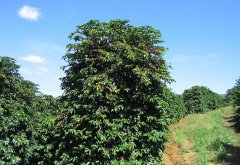
The roasting process of coffee tree fruit from coffee tree to coffee
Coffee is a perennial evergreen shrub or small tree of Rubiaceae. It is a horticultural perennial cash crop with the characteristics of fast growth, high yield, high value and wide market. Wild coffee trees can grow to a height of 5 to 10 meters, but coffee trees planted on the manor are often cut to less than 2 meters in order to increase their fruit and facilitate harvesting. The first flowering period of a coffee tree is about the age of the tree.
2015-11-05 Coffee fruit roasting process coffee grass perennial evergreen shrubs trees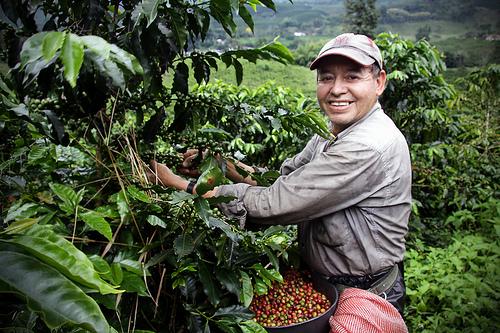
How much is the Rwandan coffee bean per jin? Washing treatment bourbon at Muxiui treatment Plant in the western province of Rwanda
Mushonyi processing plant has an amazing award record. In addition to winning the COE Excellence Cup in 2010, it won the championship, 12th, 16th and 28th in four batches in 2011 alone!
2016-04-08 Rwanda coffee beans less money one jin western province Muxiu treatment plant washing treatment
Coffee processing Coffee beans processing
1. To remove the peel and most of the pulp mechanically or manually. 2. Fermentation removes mucus and membrane from the core by fermentation. Since the length of fermentation affects the flavor of coffee, each manufacturer has its own fermentation time. 3. Drying drying method is mainly divided into natural sun and natural air drying. Excessive moisture content is easy to cause coffee beans to mold and grow worms
2014-09-29 Coffee processing coffee bean processing
Coffee bean production process and common coffee processing methods
Process Description: 1. Remove the shell and remove the coffee shell. 2, choose beans, remove moldy coffee beans. 3, cleaning, washing coffee with water to wash away surface dirt. 4. Bake, bake at 90~100℃ for half an hour. 5. Grinding: grinding and crushing the processed coffee with a roller grinder. 6, pulping (add water), add coffee about 3 times the 95℃ hot water
2014-07-08 Coffee knowledge Coffee bean production Coffee encyclopedia
The most traditional drying method of coffee bean processing
Drying is used for unwashed coffee beans. Wet treatment is used for thoroughly washed or semi-washed coffee beans. Except for the more common use of drying in Brazil and Ethiopia, most Arabica coffee beans are processed by wet treatment. In Indonesia, some Robart coffee beans are processed by wet treatment, but this is not common there. Drying method
2014-12-17 Traditional coffee beans construction drying for unwashed place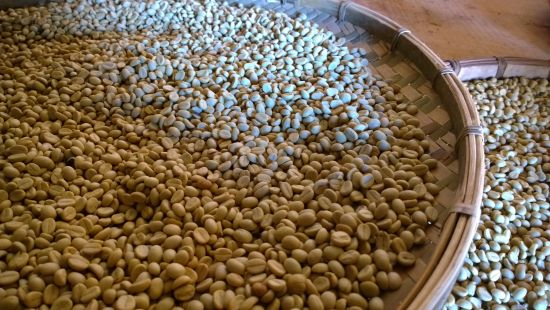
Make your own fresh coffee beans, pick raw beans, roast raw beans.
Just picked coffee 1, raw bean processing: 1, picking is divided into mechanical picking and manual picking. Mechanical picking is suitable for coffee gardens with flat land and large areas of planting. Brazil is the most frequent user of mechanical picking coffee in the world. This method is characterized by low cost and high efficiency, but the coffee beans picked are uneven and of poor quality. Coffee beans with higher quality requirements are generally used.
2016-03-17 Myself making just picking coffee beans raw beans roasting just picking
Donggu processing Plant in Kenya Coffee Bean Variety producing area
The Donggu Coffee processing Plant, founded in 1999 near the town of Merlot in the eastern province of Kenya, at an altitude of about 1350 meters, has been working closely with the Nthibiri Cooperative for several years, with about 1500 farmers working here. The soil in the territory is red soil rich in organic matter. Rainfall throughout the year is concentrated in the rainy season from March to May, and occasionally from October to December.
2016-06-02 Kenya coffee beans varieties origin region east valley processing plant coffee
Introduction to the latest Coffee Brand Culture of the Fine Coffee Bean Aishi Coffee Group
Aiyi Manor Coffee is a leading brand of Chinese coffee, which integrates coffee cultivation, primary processing, intensive processing, product research and development, trade and brand marketing. Aidan Group has 2 coffee planting demonstration bases, all of which are planted in rainforest, with a total area of 10000 mu; 2 peeling and degumming wet processing plants, processing 10 tons of fresh coffee fruit per hour; 2 coffee plus
2015-12-20 Boutique coffee beans love beans coffee group latest brand culture introduction
The most traditional drying method of coffee fruit coffee bean processing
Drying is used for unwashed coffee beans. Wet treatment is used for thoroughly washed or semi-washed coffee beans. Except for the more common use of drying in Brazil and Ethiopia, most Arabica coffee beans are processed by wet treatment. In Indonesia, some Robart coffee beans are processed by wet treatment, but this is not common there. Drying method
2015-05-12 Traditional coffee coffee beans construction drying for unwashed
The processing method in coffee beans what is the Italian processing process and the special characteristics of the finished product flavor description?
Coffee treatment: let's analyze each raw bean treatment method one by one: 1. The process of natural solarization (Natural/Dried-in-the-Fruit) is the simplest. The fruit begins the process of sun drying without treatment after picking. This is the oldest method of treatment in existence. This method is still used in places such as Ethiopia and Brazil. Natural day
2016-10-19 Coffee beans medium processing solarization what is it Italian style process finished product wind
Colombia Triple Crown Hope Manor Honey Processing Rare Variety Mocha Round Bean Boutique Round Bean Coffee
Colombia Triple Crown Manor Hope Estate (Caf Granja La Esperanza) honey processed mocha round beans. There are four estates (Esperanza, Las Margaritas, Cerro Azul and Potosi) in the Hope Estate. The estate has won Best of Panama (2008) and Second (2009)*. 2012 SCAA C was added with three products.
2016-05-10 Colombia Triple Crown King Hope Hope Manor Deal Rare Variety Mocha
(turn) from coffee tree to coffee
Coffee is a perennial evergreen shrub or small tree of Rubiaceae. It is a horticultural perennial cash crop with the characteristics of fast growth, high yield, high value and wide market. Wild coffee trees can grow to a height of 5 to 10 meters, but coffee trees planted on the manor are often cut to less than 2 meters in order to increase their fruit and facilitate harvesting. The first flowering period of a coffee tree is about the age of the tree.
2014-08-18 Coffee tree coffee tree growth coffee encyclopedia
Washing steps of coffee bean processing
Coffee raw beans are the state of coffee beans before they are roasted, and the processing process of coffee raw beans is more troublesome. Today we will talk about how to wash coffee raw beans, that is, the step of washing coffee raw beans.
2014-09-02 Coffee knowledge coffee bean washing bean washing steps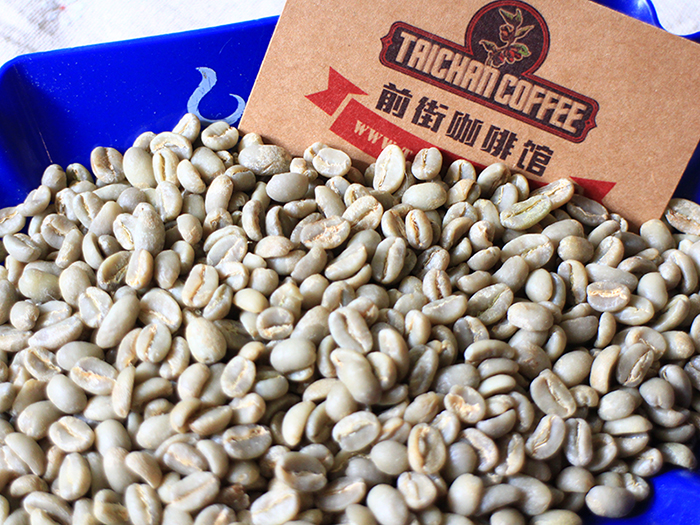
Raw bean wholesale price Kenya AA grade coffee raw bean home Tuji processing plant washing treatment 2016 new season
Kenya, located in East Africa, is one of the major coffee producing countries. More than 6 million people in the country are engaged in the coffee industry, mostly in the form of a combination of small farmers and cooperatives. Coffee trees in Kenya are mostly planted at 1400-2000 meters above sea level, and the growing areas include Ruiri,Thika, Kirinyaga, Mt.KenyaWest, Nyeri, Kiambu and Muranga. With Mt.Kenya and Aberdare
2016-04-13 Raw beans Wholesale Price Kenya Coffee Raw Bean Home Tuji processing Plant Water washing Department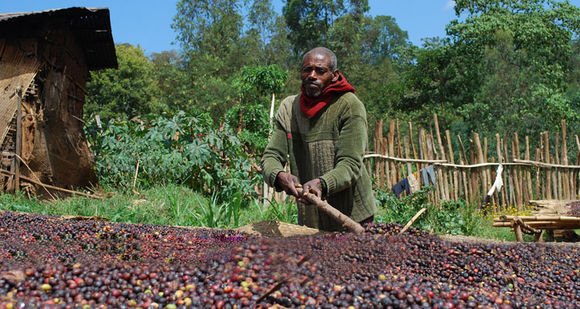
The first processing method of fine coffee sun water honey treatment coffee raw bean treatment what is sun water washing
Tanning is a traditional method for the initial processing of coffee beans, and at present, almost all coffee-growing countries such as Ethiopia and Yemen still use solarization to treat raw beans. Sun treatment will first identify sunken beans in the sink, that is, ripe or half-ripe beans are spread in the drying farm for natural drying. The specific time depends on the local climatic conditions, which usually takes two to four weeks.
2016-04-25 Boutique coffee primary processing method solarization washing treatment raw beans what